Nestle markets coffee creamer to illiterate mothers who mistake it for infant formula.
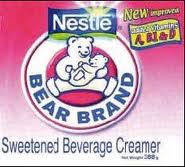
In a recent blog I informed readers that Save The Children and a long list of other humanitarian non-profits have taken a public stand against the marketing practices of the Swiss food company Nestle. They charge that Nestle is again marketing products that entice parents in developing countries to cease breastfeeding their children. That practice violates provisions of the World Health organization’s International Code of Marketing of Breast-milk Substitutes.
(Nearly thirty years ago Nestle faced similar accusations and was confronted with a worldwide boycott of company products).
In 2010, before I learned of Save the Children’s opposition to Nestlé’s practices, I brought home from Laos a can of the company’s coffee creamer to show to friends (People that I knew were old enough to remember the charges leveled against Nestle back in the early eighties). There were things about that can of creamer that I found alarming- things reminiscent of past Nestle abuses.
But… I’m getting ahead of myself. Here’s some essential background information:
Nestle manufactures a coffee creamer that is sold throughout Laos under the name “Bear Brand.” This product lacks nutritional value that would qualify it as a substitute for breast milk, or as a food supplement beneficial to infants. The creamer’s main ingredient is sugar (44%) followed by milk solids and palm oil.
But, as the accompanying photograph shows, the can’s label features an appealing image of a loving mother bear cradling her infant cub. To my eye, the illustration communicates that the can’s contents should be associated with feeding and nurturing of the young. (It certainly communicates nothing about using the product as an additive to coffee or tea!)
Unfortunately, in Laos some parents who want to provide their children good nutrition assume that this product is a healthy food for infants. It is, after all, a product marketed by a wealthy, healthy, western nation whose quality of life is envied throughout the world. And…there is that charming mother bear nursing her cub.
Mothers buy the creamer, dilute it with water, (often from an unhealthy source) and feed it to their children in the mistaken belief that they are replacing or supplementing breast milk with a superior food.
Physicians I’ve met in rural areas of northern Laos tell me that while treating infants for malnutrition they have discovered that some parents, in an attempt to restore their underweight children to good health, have put them on a diet of diluted creamer. Ironically, those well-intentioned parents fed their infants a product so inferior to breast milk that the children steadily became ever more malnourished.
One physician submitted this report:
In November 2008, a 6-month-old female infant was admitted to the provincial hospital of Luang Namtha with a 6-day history of watery diarrhoea, anorexia, fever, and underlying severe malnutrition. She was the second adopted child of a Hmong family. The parents are farmers living in a remote area.
They bought 10 cans of the same red label Bear Brand coffee creamer (0.80 $ per can) in May 2008 in her first month of age. The infant was fed coffee creamer and boiled water for the first 3 months, 1 can every 3 days. Relatives had told the parents that this product would be good for children, which was reinforced by the logo of a baby bear drinking milk from the mother bear.
In June 2008, the parents were unable to find cans of this type in the local district market and changed to a slightly cheaper brand (Palace, Daily Foods Co., Thailand, 0.69$) with a written message in Thai language: not to be fed to children under 1 year.
They had not read the message, did not know Thai language, and the mother is illiterate. The seller told them that it could be given to children.
The infant presented with diarrhoea and kwashiorkor and died with complications of severe malnutrition, diarrhoea and infection.
Nestle knows that these misunderstanding are happening. On the can in my possession the company printed this disclaimer:
“Sweetened Beverage Creamer is not to be used as a breast milk substitute.” (Imprudently, the warning is printed in approximately 8-point type).
In a country in which nearly half of all adult females are illiterate, the warning, lost as it is among text written in English and Thai, surely goes unnoticed by most Lao consumers.
In the end, now matter how many written warnings Nestle provides, the text is far less compelling than the prominent pictorial representation. The charming image of the mother bear nurturing her fit, young cub trumps every other graphic on the label.
We Help War Victims joins Save the Children and other non-profits worldwide in calling on Nestle to change its marketing practices.